
Africa

Migration’s Impact on Ugandan Families and Communities

Double-Edged Sword: Migration’s Impact on Ugandan Families and Communities

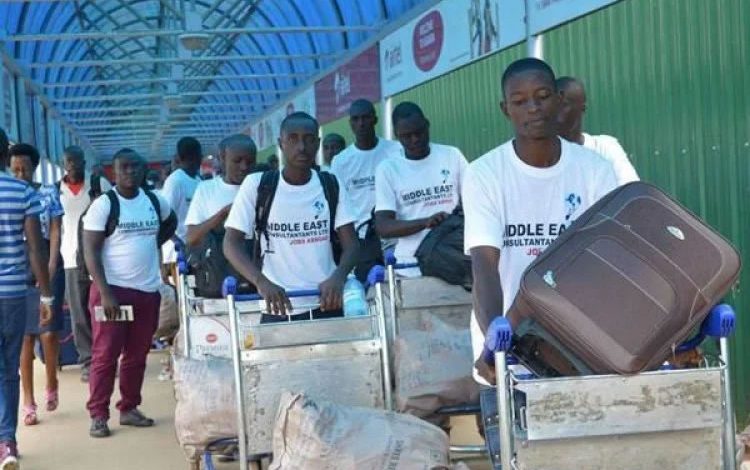
Ugandan migration, while a source of income for the nation, presents a complex picture for families and communities left behind. Here’s a closer look at the impact:

Financial Lifeline, Emotional Strain

  • Remittances, money sent back by migrant workers, are a lifeline for many families. They can improve living standards, fund education, and healthcare [1].
  • However, the emotional strain of separation can be significant. Spouses and children can feel abandoned, leading to loneliness, depression, and potential social issues [2].

Shifting Dynamics

  • Migration often leads to a change in family roles. With parents away, children, especially girls, may take on adult responsibilities like housework and childcare, impacting their education and well-being [3].
  • Communities may experience a shortage of young adults, affecting traditional practices and social cohesion.

Uneven Distribution

  • Remittances are often concentrated in specific regions, leading to uneven development within Uganda. Areas with high migration may see improved infrastructure and services, while others struggle [4].

Finding Balance

  • Supporting skills development in Uganda can create more local job opportunities, potentially reducing the need for migration [5].
  • Policies promoting family reunification and mental health support for families separated by migration are crucial.

The Ugandan Story

Uganda’s experience with migration highlights the need for a nuanced approach. While remittances bring undeniable benefits, addressing the social and emotional costs is equally important. By finding a balance, Uganda can leverage migration for the betterment of families, communities, and the nation as a whole.
READ MORE
Africa

Unveiling Opportunities for Ugandan Migrant Workers

Beyond Remittances: Unveiling Opportunities for Ugandan Migrant Workers

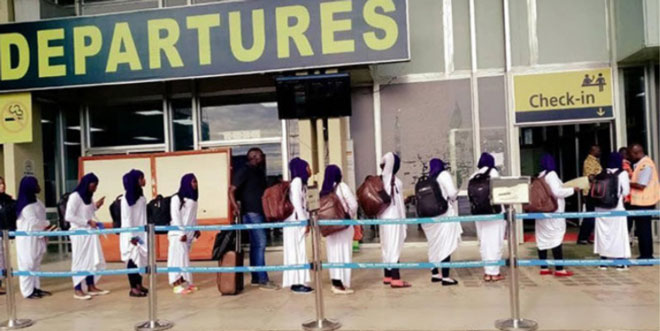
Ugandan migrant workers are a cornerstone of the nation’s economy, with their remittances fueling development and supporting families. But the Ugandan migration story goes beyond just financial contributions. Here, we explore the avenues for creating a brighter future for Ugandan migrant workers, fostering opportunities for growth and empowerment.

Skilling Up for Global Markets:

  • The high demand for skilled labor in many destination countries presents an opportunity. Pre-departure training programs focusing on in-demand skills like construction, healthcare, and information technology can equip Ugandan workers for higher-paying jobs and improved career prospects [1].
  • Recognition of Ugandan qualifications by host countries can further open doors, allowing for career advancement and diversification beyond traditional roles in domestic work or security [2].

Entrepreneurial Spirit Takes Flight:

  • Ugandan migrants often possess a strong entrepreneurial spirit. Encouraging and facilitating micro-enterprise development programs can empower them to start businesses in their host countries or upon return to Uganda [3].
  • Access to financial resources, mentorship, and business training can turn this entrepreneurial spirit into a source of sustainable income and economic empowerment for both the migrant and their home community.

Building Bridges of Knowledge and Investment:

  • Ugandan migrant workers can act as bridges connecting Uganda to global markets and knowledge. Encouraging knowledge transfer through programs that allow them to share expertise gained abroad upon their return can benefit Ugandan businesses and foster innovation [4].
  • Additionally, fostering investment opportunities through diaspora bonds or targeted investment programs can leverage the financial resources of successful Ugandan migrants to contribute directly to Uganda’s development [5].

The Power of Networking and Community:

  • Building strong social networks and fostering a sense of community among Ugandan migrants empowers them to share resources, navigate challenges, and advocate for their rights collectively [6].
  • Online platforms and local Ugandan migrant worker associations can provide support networks, fostering a sense of belonging and facilitating access to information and resources.

A Brighter Future, A Shared Journey:

By focusing on skills development, entrepreneurship, knowledge transfer, and building strong communities, Uganda can unlock the full potential of its migrant workforce. Empowering Ugandan migrant workers is not just about individual success; it’s about creating a win-win situation for both the workers and their home nation

READ MORE