
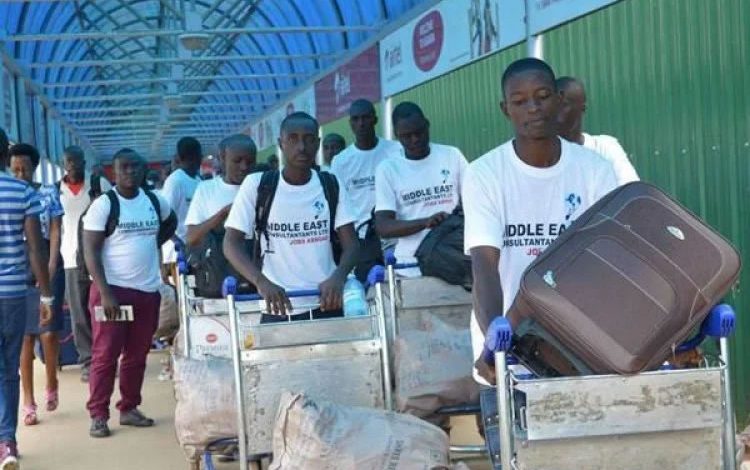
Migration’s Impact on Ugandan Families and Communities
Double-Edged Sword: Migration’s Impact on Ugandan Families and Communities
Ugandan migration, while a source of income for the nation, presents a complex picture for families and communities left behind. Here’s a closer look at the impact:
Financial Lifeline, Emotional Strain
- Remittances, money sent back by migrant workers, are a lifeline for many families. They can improve living standards, fund education, and healthcare [1].
- However, the emotional strain of separation can be significant. Spouses and children can feel abandoned, leading to loneliness, depression, and potential social issues [2].
Shifting Dynamics
- Migration often leads to a change in family roles. With parents away, children, especially girls, may take on adult responsibilities like housework and childcare, impacting their education and well-being [3].
- Communities may experience a shortage of young adults, affecting traditional practices and social cohesion.
Uneven Distribution
- Remittances are often concentrated in specific regions, leading to uneven development within Uganda. Areas with high migration may see improved infrastructure and services, while others struggle [4].
Finding Balance
- Supporting skills development in Uganda can create more local job opportunities, potentially reducing the need for migration [5].
- Policies promoting family reunification and mental health support for families separated by migration are crucial.
The Ugandan Story
Uganda’s experience with migration highlights the need for a nuanced approach. While remittances bring undeniable benefits, addressing the social and emotional costs is equally important. By finding a balance, Uganda can leverage migration for the betterment of families, communities, and the nation as a whole.